在全球貿易和物流體系中,國際船舶代理(International Ship Agency)與無船承運業務(Non-Vessel Operating Common Carrier, NVOCC)扮演著至關重要的角色。兩者雖常協同作業,但業務性質與法律責任截然不同。本文將聚焦于無船承運業務,結合實務英語,探討其核心概念、運作流程及關鍵單證。
一、 無船承運業務核心概念
無船承運人(NVOCC)是指不擁有或經營船舶,但以承運人身份接受托運人(Shipper)的貨物,并簽發自己的提單(House Bill of Lading, HBL),通過與實際承運人(Actual Carrier/Ocean Carrier)簽訂運輸合同,完成國際海上貨物運輸的經營者。其核心價值在于整合中小批量貨物,形成規模效應,為客戶提供靈活、經濟的“門到門”(Door-to-Door)或多式聯運(Multimodal Transport)物流解決方案。
關鍵實務英語:
- NVOCC: Non-Vessel Operating Common Carrier
- Shipper: 托運人
- House Bill of Lading (HBL): 無船承運人提單(分提單)
- Master Bill of Lading (MBL): 船公司提單(主提單)
- Actual Carrier / Ocean Carrier: 實際承運人 / 海運承運人
- Freight Forwarder: 貨運代理(注意:傳統貨代是代理人,而NVOCC是承運人)
- Consolidation / Groupage: 拼箱 / 貨物 consolidation
二、 無船承運業務運作流程
一個典型的NVOCC出口業務流程如下:
- 攬貨與訂艙 (Cargo Solicitation & Booking): NVOCC從眾多發貨人處接收貨物,特別是拼箱貨(LCL, Less than Container Load)。然后,以其自身名義向船公司(Shipping Line)為整箱貨(FCL, Full Container Load)預訂艙位。
- 實務英語:"We, as an NVOCC, consolidate several LCL shipments from different shippers into one FCL container and book the space with COSCO."
- 提貨與裝箱 (Cargo Pick-up & Stuffing): 安排從發貨人處提貨,運至自己的集裝箱貨運站(CFS, Container Freight Station)進行拼箱作業。
- 實務英語:"The cargo will be picked up from your factory and stuffed into the container at our designated CFS."
- 報關與單證制作 (Customs Declaration & Documentation): 代理或協助客戶完成出口報關(Customs Clearance)。最關鍵的是簽發NVOCC自己的提單(HBL)給發貨人,同時從船公司處獲取船東提單(MBL)。
- 實務英語:"Upon receiving your shipping instructions, we will issue our House B/L to you as the document of title. The Master B/L will be issued by the ocean carrier to us, the NVOCC."
- 海上運輸與目的港操作 (Ocean Carriage & Destination Handling): 貨物由船公司實際承運。NVOCC在目的港的合作代理(Agent)憑MBL從船公司處提貨,然后根據HBL將貨物分撥給各個收貨人(Consignee)。
- 實務英語:"Our agent at the port of discharge will take delivery of the consolidated container with the Master B/L and arrange deconsolidation and delivery to each consignee against the surrender of the original House B/L."
- 費用結算 (Freight Settlement): NVOCC向發貨人收取全程運費(通常包括內陸運費、拼箱費、海運費等),并向船公司支付約定的海運費。
- 實務英語:"The all-in freight quoted is based on CIF terms, including ocean freight, THC, and documentation fee."
三、 關鍵單證與法律責任
提單(Bill of Lading) 是核心。HBL是NVOCC與發貨人/收貨人之間運輸合同的證明和物權憑證。一旦簽發HBL,NVOCC便對全程運輸承擔承運人責任(Carrier's Liability),其法律地位受《中華人民共和國海商法》及國際慣例(如《海牙-維斯比規則》)約束。
- 責任期間 (Period of Responsibility): 通常為“接貨到交貨”(from receipt to delivery),即承運人責任期間。
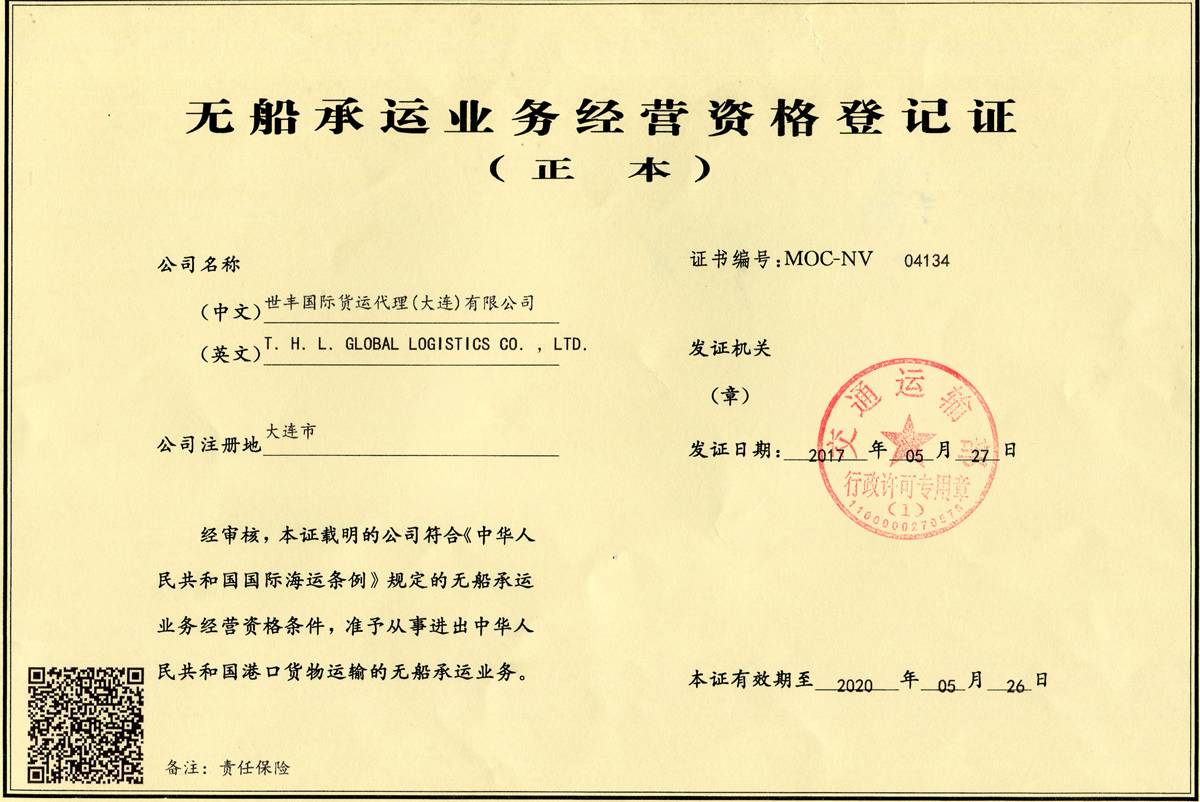
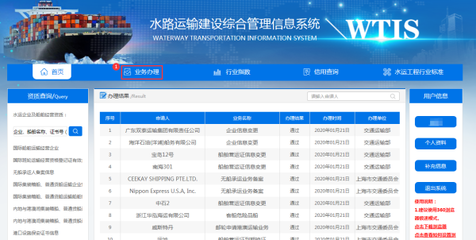
- 無船承運業務經營者運價備案 (Freight Rate Filing): 在中國,NVOCC必須向交通運輸部備案運價,這是合法經營的必要條件。
- 實務英語:"As a licensed NVOCC, our tariff has been duly filed with the authorities, ensuring transparency and compliance."
四、 實務溝通要點
與客戶、船公司及海外代理溝通時,清晰的角色定位和專業的術語使用至關重要。
- 向客戶報價時: "We offer NVOCC service from Shanghai to Los Angeles. As your carrier, we will issue our own B/L and handle the entire process."
- 與船公司訂艙時: "We'd like to book one 40' HQ container for our consolidated cargo under our NVOCC agreement number XXX."
- 向目的港代理發送放貨指示時: "Please release the cargo to the consignee only against surrender of one original House B/L endorsed by our company."
###
無船承運業務是海運物流鏈中極具靈活性的一環,它通過資源整合與專業服務,滿足了現代貿易對小批量、高頻次、復雜門到門運輸的需求。熟練掌握其業務流程、單證體系及相關的實務英語,對于從業者提供高效、可靠的服務,以及規避法律與操作風險,具有不可替代的價值。在全球化背景下,NVOCC將繼續作為連接發貨人與實際承運人的關鍵橋梁,推動國際物流的創新發展。