In the intricate web of global logistics and maritime trade, two critical roles stand out for their pivotal functions in ensuring the smooth flow of goods across oceans: the International Ship Agent and the Non-Vessel Operating Common Carrier (NVOCC). Mastering the practical English associated with these businesses is not merely a linguistic exercise; it is a fundamental professional competency for navigating this complex, international industry.
1. The International Ship Agent: The Port-Based Facilitator
An International Ship Agent acts as the local representative of a ship owner or charterer in a foreign port. Their role is multifaceted, requiring a command of English that covers a vast array of port procedures and services.
- Core Functions & Key Vocabulary: Agents handle port formalities, customs clearance, and harbor dues. They arrange for pilotage, towage, and berthing. Coordinating with stevedores for cargo loading/discharging (loading/unloading) is crucial, as is liaising with provision suppliers for crew needs and bunkering agents for fuel. Essential documentation includes the Notice of Readiness (NOR), Statement of Facts (SoF), and the Boat Note. Communication involves constant updates on estimated time of arrival (ETA), estimated time of departure (ETD), and actual time of arrival (ATA).
- Practical English in Action: An agent must draft clear emails to the ship's master: "Upon your vessel's ETA, we will arrange the berth at Terminal 4 and have the customs officer ready for boarding." They negotiate with suppliers: "Can you provide a quote for fresh water supply and garbage disposal?" Reporting to the principal requires precision: "Discharge operations completed at 1800 hours local time. SoF signed by all parties. Port charges invoice to follow."
2. The NVOCC: The Consolidator and Carrier
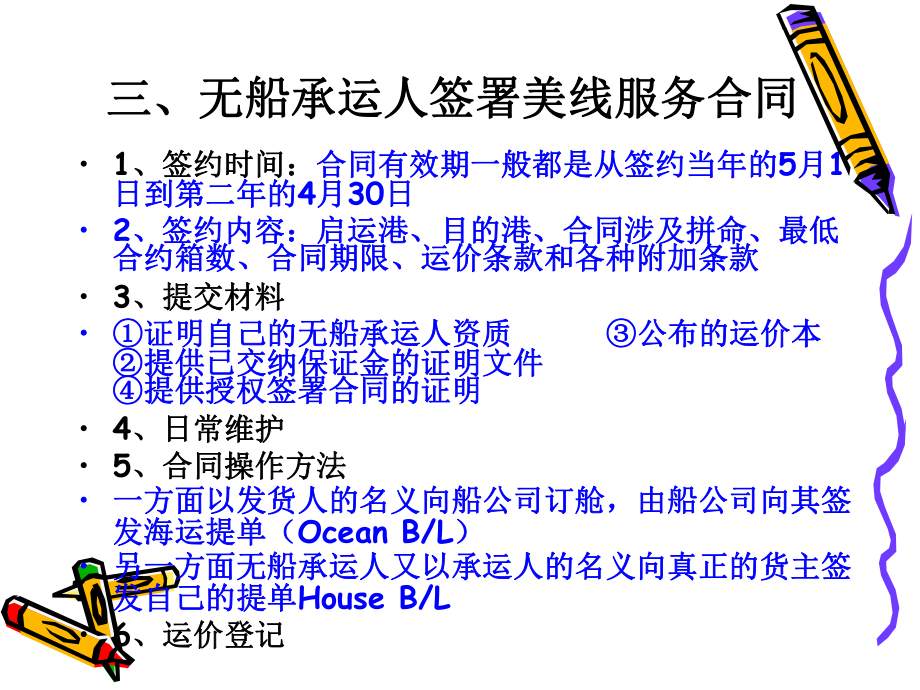
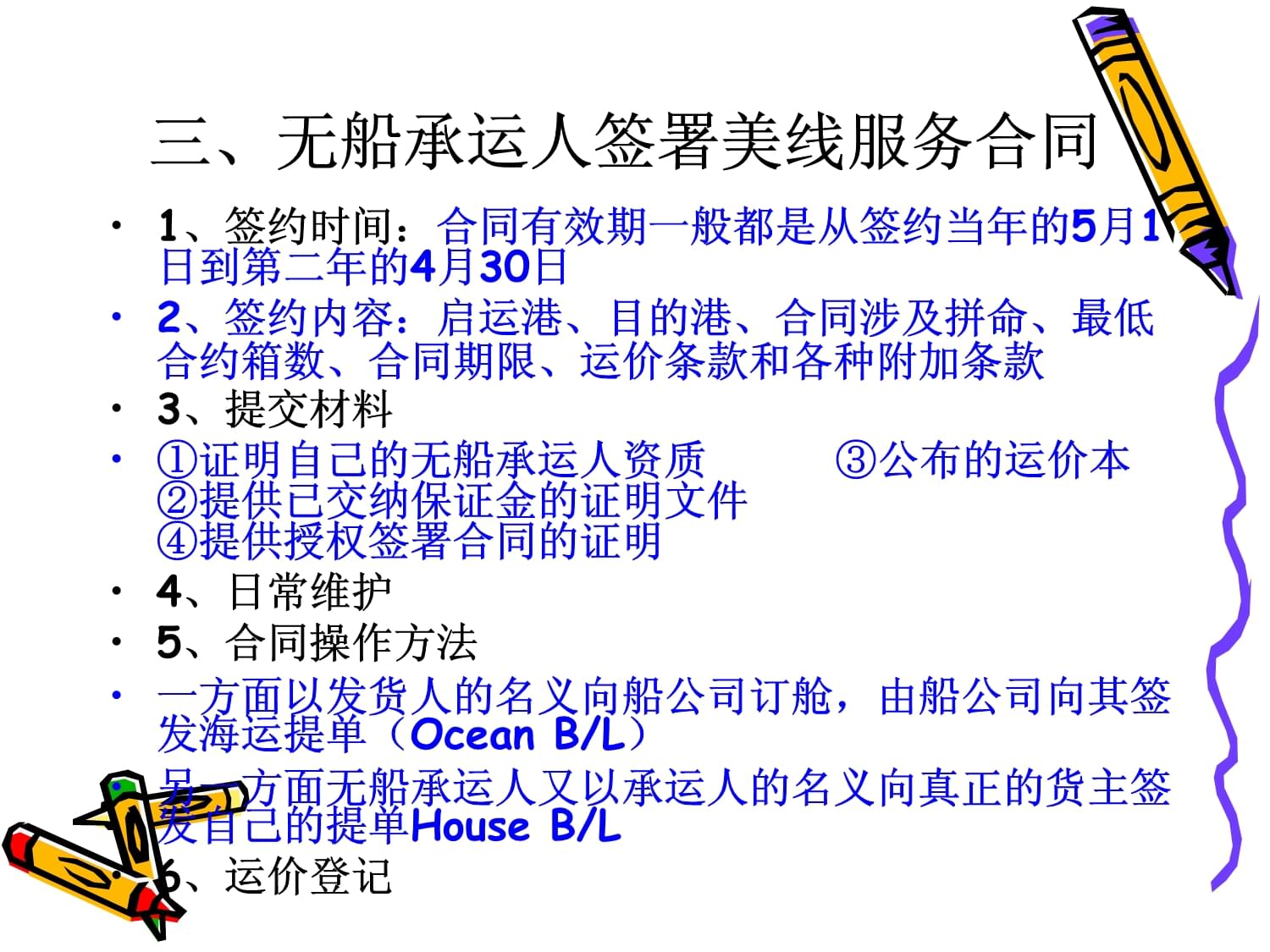
The NVOCC, or Non-Vessel Operating Common Carrier, is a pivotal link in containerized shipping. While they do not own ships, they function as carriers by consolidating cargo from multiple shippers and issuing their own bills of lading (B/L).
- Core Functions & Key Vocabulary: The NVOCC's world revolves around Less-than-Container Load (LCL) and Full Container Load (FCL) shipments. They operate container freight stations (CFS) for cargo consolidation and deconsolidation. Key terms include house bill of lading (HBL) (issued by the NVOCC to the shipper) and master bill of lading (MBL) (issued by the actual vessel operator to the NVOCC). They quote freight all kinds (FAK) rates and manage inland transportation via trucking or rail. Dangerous goods (DG) declarations and cargo insurance arrangements are also within their purview.
- Practical English in Action: Communication with shippers involves providing freight quotations: "Our rate for LCL from Shanghai to Los Angeles is USD 85 per revenue ton, excluding THC and documentation fee." Instructions to partners are critical: "Please issue the MBL consigned to our agent at destination. Ensure the HBL number is referenced." Customer service queries are common: "The status of your shipment with HBL No. XYZ123 is 'loaded on board' the mother vessel. The estimated time of arrival at POD is November 15th."
3. The Interplay and Essential Communication
Often, the businesses intersect. An NVOCC relies on ship agents for local port services. The common language is English, and clarity is paramount to avoid costly errors like demurrage or detention charges.
- Critical Documentation English: Proficiency in filling out and interpreting documents like the Bill of Lading, Shipping Instructions, Packing List, and Commercial Invoice is non-negotiable. Understanding clauses such as "Clean on Board" or "Freight Prepaid" on a B/L is essential.
- Standard Correspondence Phrases:
- Booking request: "We hereby request firm space for 2 x 40' HQ containers under FAK rates for the upcoming sailing on MV Ever Glory."
- Issue reporting: "We note a discrepancy between the gross weight on the B/L and the packing list. Please amend immediately."
- Payment follow-up: "Kindly settle the outstanding freight invoice No. INV-2023-789 at your earliest convenience."
Conclusion
The practical English of International Ship Agency and NVOCC operations is the linchpin of efficient global shipping. It is a specialized lexicon of procedures, documents, and negotiations. For professionals in this field, fluency in this practical English is synonymous with operational reliability, risk mitigation, and successful partnership in the dynamic theatre of international maritime commerce. Mastering it ensures one can effectively navigate both the logistical and linguistic currents of the trade.